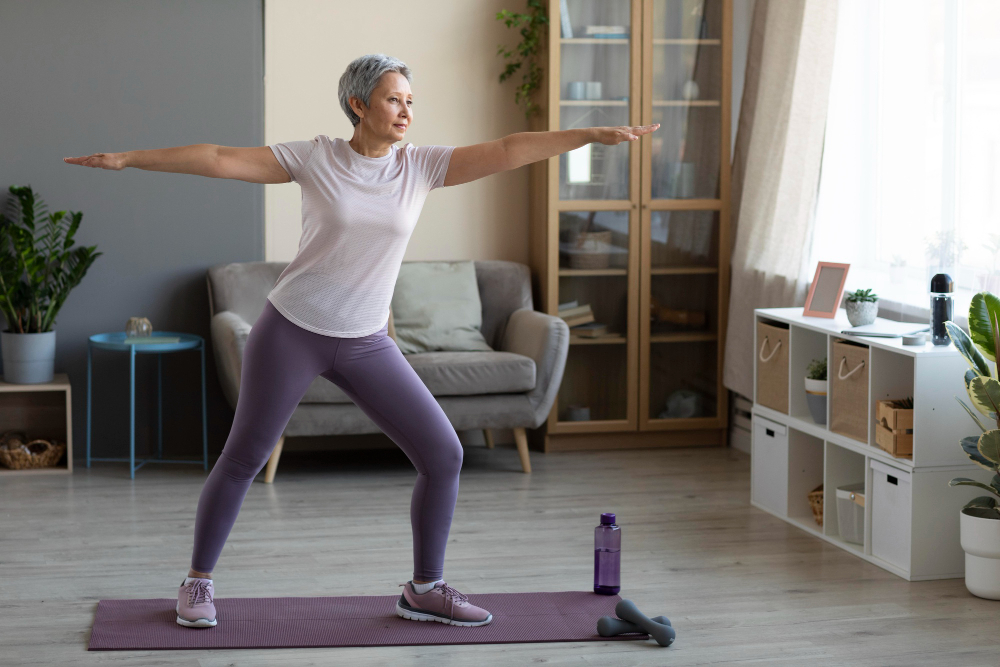
Staying active is important for women over 60. Regular exercise helps keep your body strong and flexible. In fact, safe exercises for seniors can improve balance, boost mood, and support heart health. Many physiotherapy routines for elderly women focus on gentle movements. These routines lower the risk of injury and help you stay independent. If you are searching for the best exercises for women 60 plus, you are in the right place. Let’s explore how you can move safely and feel better every day.
Benefits of Exercise for Women Over 60
Exercise offers many benefits as you age. For example, it helps maintain muscle strength and bone health. In addition, regular movement can reduce joint pain and stiffness. Here are some key benefits:
According to the World Health Organization (WHO), adults over 60 should aim for at least 150 minutes of moderate activity each week. Even small amounts of movement can make a big difference.
Safety Tips Before Starting
Before you begin any new exercise, safety comes first. Here are some tips to help you stay safe:
Additionally, listen to your body. If you have any health concerns, talk to a physiotherapist or visit physiotherapy clinics near you for guidance.
5 Essential Exercises for Women Over 60
1. Seated Marching
2. Wall Push-Ups
3. Heel-to-Toe Walk
4. Gentle Chair Squats
5. Shoulder Rolls
How to Incorporate These Exercises into Daily Life
Adding exercise to your day can be simple. For instance, you can march in place while watching TV. Or, try wall push-ups after breakfast. Here are some easy ways to stay active:
Remember, even small steps can lead to big changes over time.
When to Consult a Physiotherapist
Sometimes, you may need extra help. If you have ongoing pain, trouble moving, or a recent injury, it is wise to see a physiotherapist. They can create a plan just for you. In addition, they can show you how to move safely and avoid injury. Many physiotherapy clinics near you offer special programs for seniors. Always ask for help if you are unsure about any exercise.
For more information, you can visit trusted sources like the World Health Organization and the Centers for Disease Control and Prevention.
Conclusion: Staying active is one of the best things you can do for your health. However, it is important to choose safe and effective routines. Consult a physiotherapist before starting any new exercise routine for personalized advice.